
What Is Treatment-Resistant Depression?
Treatment-resistant depression (TRD) is a complex and challenging condition that affects millions worldwide. It is defined as a condition that continues even after trying standard antidepressants and therapies, unlike usual depression episodes. Treatment-resistant major depressive disorder makes daily life hard for those who have it. It also creates big challenges for doctors trying to find helpful solutions. People with treatment-resistant depression often feel very frustrated and hopeless as they deal with their mental health issues. Understanding the intricacies of TRD is crucial in developing personalized treatment plans that offer real hope and relief.
Common treatment-resistant depression symptoms often include:
- Anxiety: Anxiety in treatment-resistant depression often presents as constant worry or fear that is difficult to control. It can exacerbate feelings of unease and tension, further complicating the mental health landscape for individuals.
- Cognitive Impairment: People with TRD may experience difficulties with concentration, memory, and decision-making. These cognitive impairments can hinder everyday tasks and negatively affect professional and personal responsibilities.
- Fatigue: Persistent fatigue is common for those living with treatment-resistant depression, leaving people feeling drained and lacking energy regardless of rest. This overwhelming tiredness can interfere with daily activities and diminish the quality of life.
- Feelings of Hopelessness: A pervasive sense of hopelessness can make it challenging to envision a positive future when dealing with treatment-resistant depression. This symptom often exacerbates the emotional burden, making recovery seem unattainable.
- Insomnia or Hypersomnia: Sleep disturbances, whether trouble falling asleep or sleeping excessively, are frequently reported in TRD. These disruptions can exacerbate other symptoms and significantly impact mental and physical health.
- Irritability: People with treatment-resistant depression might experience heightened irritability, frustration, or anger over minor issues. This symptom can strain relationships and lead to social withdrawal, increasing feelings of isolation.
- Loss of Interest: A noticeable decline in interest or pleasure in activities once enjoyed is a hallmark of TRD. This anhedonia can lead to withdrawal from social interactions and a reduced sense of fulfillment.
- Low Self-Esteem: Persistent negative thoughts about oneself often accompany TRD, leading to diminished self-worth. This symptom can perpetuate the cycle of depression and make engagement in treatment challenging.
- Physical Pain: Some individuals with treatment-resistant depression experience unexplained physical pain, such as headaches or muscle aches. This physical manifestation of depression can further complicate the emotional and mental challenges faced.
- Social Withdrawal: A tendency to isolate from friends and family is common with TRD, as people may feel misunderstood or burdensome. This withdrawal can lead to increased loneliness and a lack of support during difficult times.
What causes treatment-resistant depression?
Genetically, individuals with a family history of depression may be more susceptible to TRD. Changes in specific genes can affect how a person reacts to antidepressants, which may lead to continued depressive symptoms even when receiving treatment. Biologically, imbalances in brain chemistry, such as neurotransmitter dysfunction, play a significant role. Additionally, hormonal factors, including those related to stress and thyroid function, can exacerbate depressive symptoms, making them resistant to standard treatments.
Environmental influences, such as chronic stress, trauma, or significant life changes, are also critical contributors. These factors can trigger or intensify depression, creating a complex backdrop against which treatment-resistant depression develops. Prolonged exposure to stressful environments can alter brain function and increase vulnerability to persistent depression.
Psychologically, individuals with TRD may face underlying issues like unresolved grief, low self-esteem, or maladaptive coping mechanisms. These psychological barriers can hinder recovery by perpetuating negative thought patterns and emotional distress.
By addressing the unique interplay of genetic, biological, environmental, and psychological factors, healthcare providers can provide better therapy for treatment-resistant depression.
How to Treat Treatment-Resistant Depression
When it comes to managing treatment-resistant depression (TRD), exploring various therapeutic options can be crucial for finding relief and improving mental health. Among the most common treatments are medication adjustments, cognitive-behavioral therapy (CBT), and lifestyle changes, each offering distinct benefits and approaches.
Finding the right medication regimen can be a vital step toward managing symptoms for people with TRD. This process may involve adjusting dosages, switching to different antidepressants, or incorporating additional medications such as mood stabilizers or atypical antipsychotics. By tailoring medications to an individual’s unique biochemical needs, healthcare providers can enhance the effectiveness of treatment-resistant depression treatment plans and help alleviate depressive symptoms.
Also, CBT is a well-established form of psychotherapy that focuses on identifying and changing negative thought patterns and behaviors. This therapeutic approach empowers individuals to develop more adaptive coping strategies, reducing the impact of depression on daily life. By addressing the psychological components of TRD, therapy and antidepressants can contribute to a more holistic treatment plan as one of the leading treatments for treatment-resistant depression.
Incorporating positive lifestyle modifications is another essential aspect of treatment-resistant depression options for treatment. Regular physical activity, a balanced diet, and stress-reduction practices like mindfulness or yoga can significantly enhance overall well-being. These changes support mental health treatments and foster empowerment and agency, helping people actively participate in their recovery.
Another option is transcranial magnetic stimulation (TMS). TMS offers promising help for treatment-resistant depression by utilizing magnetic fields to stimulate areas of the brain associated with mood regulation, providing relief for those who have not responded to traditional therapies.

TMS for Treatment-Resistant Depression
Transcranial magnetic stimulation is an innovative mental health treatment for individuals with treatment-resistant depression, offering new hope to those who have found little relief from traditional therapies. By targeting the left dorsolateral prefrontal cortex (DLPFC) of the brain which is responsible for mood regulation, TMS can effectively alleviate depressive symptoms.
Although there are many forms of TMS, the most common type used as treatment for treatment-resistant depression is repetitive transcranial magnetic stimulation, also known as rTMS. rTMS treatment-resistant depression sessions are unique in that they use a specific frequency and intensity of magnetic waves to stimulate the DLPFC.
Experiencing a transcranial magnetic stimulation session is both unique and reassuring for those seeking help for treatment-resistant depression. The session is conducted in a comfortable and supportive treatment-resistant depression clinic where patients feel attended to and safe. A qualified medical expert guides the patient throughout this process, ensuring all their queries and concerns are addressed, enhancing their confidence in the therapy.
The setting is thoughtfully designed to be soothing and relaxing, enabling patients to focus on their well-being. Patients often find that after repeated sessions, their experience becomes an empowering part of their mental health, marking a noticeable shift towards emotional balance.
Studies have shown that the response rates to treatment-resistant depression TMS sessions range between 50% and 55%, demonstrating the effectiveness of this innovative treatment. Also, over 35% of individuals achieve complete remission from symptoms in studies reported by the National Institutes of Health, giving hope to those who are struggling with treatment-resistant major depressive disorder. TMS treatments typically involve daily sessions over six weeks, with ongoing maintenance as needed.
TMS vs Antidepressants
Antidepressants, often the first line of defense, work by altering neurotransmitter levels in the brain to improve mood. However, not everyone responds to these medications, leaving a significant portion of individuals without relief. These people often don’t know what to do when antidepressants don’t work. This is where TMS emerges as a promising alternative.
Because TMS offers a different mechanism of action from traditional antidepressants, this approach can be particularly beneficial for patients who have not experienced success with medication alone. By directly targeting brain areas responsible for depressive symptoms, transcranial magnetic stimulation provides a tailored and effective solution for those seeking new avenues for their mental health. Also, it’s essential to meet with qualified medical professionals who understand how to know when antidepressants are working and when they aren’t. They can effectively help determine if further interventions, such as TMS, should be considered for treatment-resistant depression.
Understanding the TMS Process
The steps of TMS for treatment-resistant bipolar depression are:
- Initial Consultation: TMS treatment begins with an initial consultation where a qualified healthcare provider assesses your medical history and current condition. This step is crucial for determining if TMS is the right fit for your needs and allows you to ask any questions about the procedure. It sets the foundation for a treatment plan tailored to your unique circumstances.
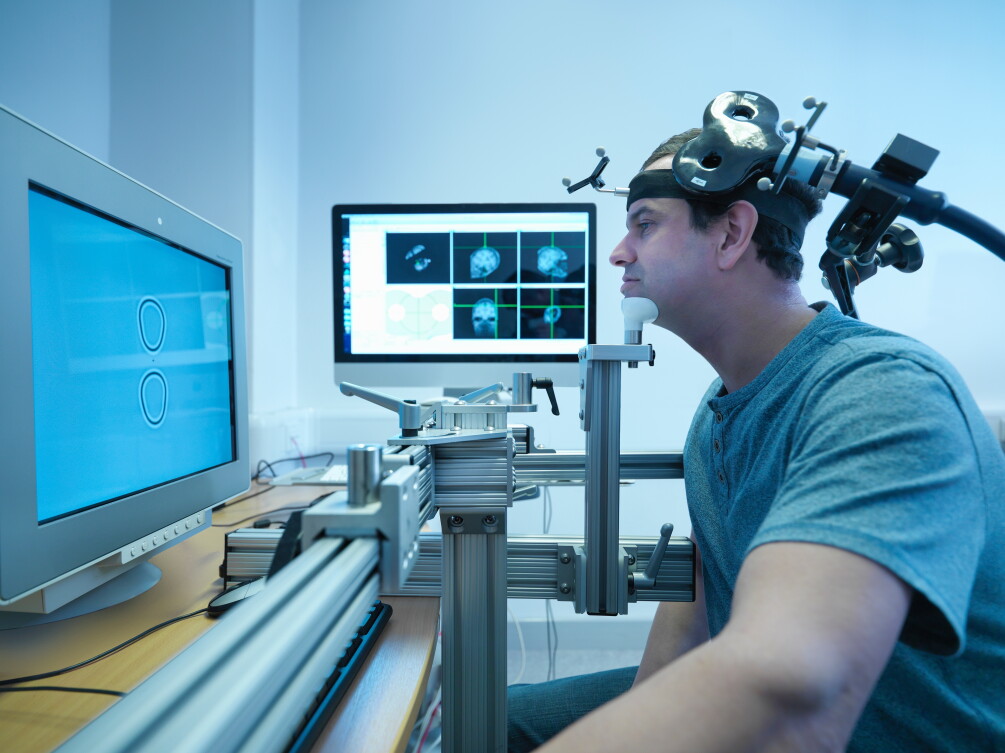
- Pre-Treatment Brain Mapping Session: Before starting the actual treatment, a brain mapping session is conducted to identify the specific regions of the brain that will be targeted during TMS. This session ensures precise treatment, enhancing the likelihood of successful outcomes. It is a non-invasive process that provides critical insights into your brain’s structure and function.
- The Treatment Sessions: Each TMS session is typically brief, which allows you to resume daily activities immediately afterward. This non-invasive approach is designed to stimulate brain activity associated with mood regulation, offering relief from depressive symptoms.
- Post-Procedure Follow-Up: Following the completion of your TMS sessions, follow-up appointments are scheduled to monitor progress and address any concerns. These check-ins are vital for adjusting treatment as needed and ensuring ongoing support. The follow-up phase helps maintain the benefits gained during the treatment course.
- TMS Treatment Plans: A typical TMS treatment plan spans over six weeks with daily sessions, providing consistent and focused intervention. This structured schedule is designed to maximize efficacy and help achieve long-term improvements in mental health. The plan can be adjusted based on the individual, ensuring a personalized approach to treatment-resistant depression.
By understanding each step in the TMS process, people can feel empowered and informed, ready to take the next steps toward improved mental health and well-being.
TMS for treatment resistant depression in Volusia County, Florida
Looking for a TMS office near me Daytona Beach? Our Gemini TMS team has years of experience in helping patients with treatment-resistant depression find new hope and relief through TMS therapy. We offer a supportive and compassionate environment for our clients, ensuring their comfort and well-being throughout the process.
At our Gemini TMS location in Daytona, Florida, we prioritize personalized care, tailoring each treatment plan to meet the unique needs of our clients. Our team consists of qualified medical professionals who are dedicated to staying up-to-date on the latest research and techniques related to TMS therapy. With our support, you can feel confident that you are receiving the best possible care for your treatment-resistant depression.
If you or someone you care about is interested in learning more about transcranial magnetic stimulation, you don't have to type "resistant depression treatment doctor near me" into a search engine. You can contact our Gemini TMS team today by scheduling an appointment or calling us at (301) 363-1063 for more information.